
TRACE EVERY SOURCE WITH CONTEXT
Learn how to shape a focused research question, navigate catalogs and finding aids, record reference codes, and organize archival evidence without separating it from its collection context.
Recent PostsCONTEXT BEFORE CONCLUSIONS
Archival research depends on details staying connected. A quotation needs its folder and series, a scan needs its reference code, and every interpretation should remain separate from what the document actually states.
The course develops these habits through finding aid reviews, transcription exercises, source comparisons, catalog searches, and research logs. The aim is not to collect records quickly, but to build an evidence trail that can be checked and followed.
CORE ARCHIVAL RESEARCH SKILLS
FOCUS THE QUESTION
Turn a broad historical interest into a searchable question using a person,
place, organization, event, and useful date range.
READ FINDING AIDS
Identify scope notes, series titles, restrictions, date ranges, box details, and reference codes before requesting archival material.
SEARCH NAME VARIANTS
Build searches with alternate spellings, abbreviations, historical place names, subject headings, organizations, and related keywords.
RECORD SOURCE DETAILS
Keep repository names, collection titles, series, folders, box numbers, and item references attached to every note and image.
COMPARE THE EVIDENCE
Check letters, registers, reports, maps, photographs, and newspapers for agreement, contradiction, and missing information.
MARK UNCERTAINTY
Transcribe difficult records carefully, flag illegible words, and avoid turning uncertain handwriting or incomplete metadata into facts.
FOLLOW THE EVIDENCE TRAIL
DEFINE THE TARGET
Begin with a precise question that identifies the subject, location, period, and type of evidence you need to investigate.
LOCATE THE COLLECTION
Use repository catalogs and collection guides to move from a general subject toward a relevant fonds, series, file, or folder.
EXAMINE THE RECORD
Read the item alongside its creator, date, annotations, neighboring documents, and original order rather than in isolation.
LOG THE NEXT MOVE
Record what was searched, what was found, what remains uncertain, and which catalog term or collection should be checked next.
WANT A MORE TRACEABLE RESEARCH PROCESS?
See how focused questions, collection hierarchy, careful transcription, source comparison, and consistent reference notes shape the ArchiveNest approach.
SEE THE METHODRESEARCH TOOLS IN PRACTICE
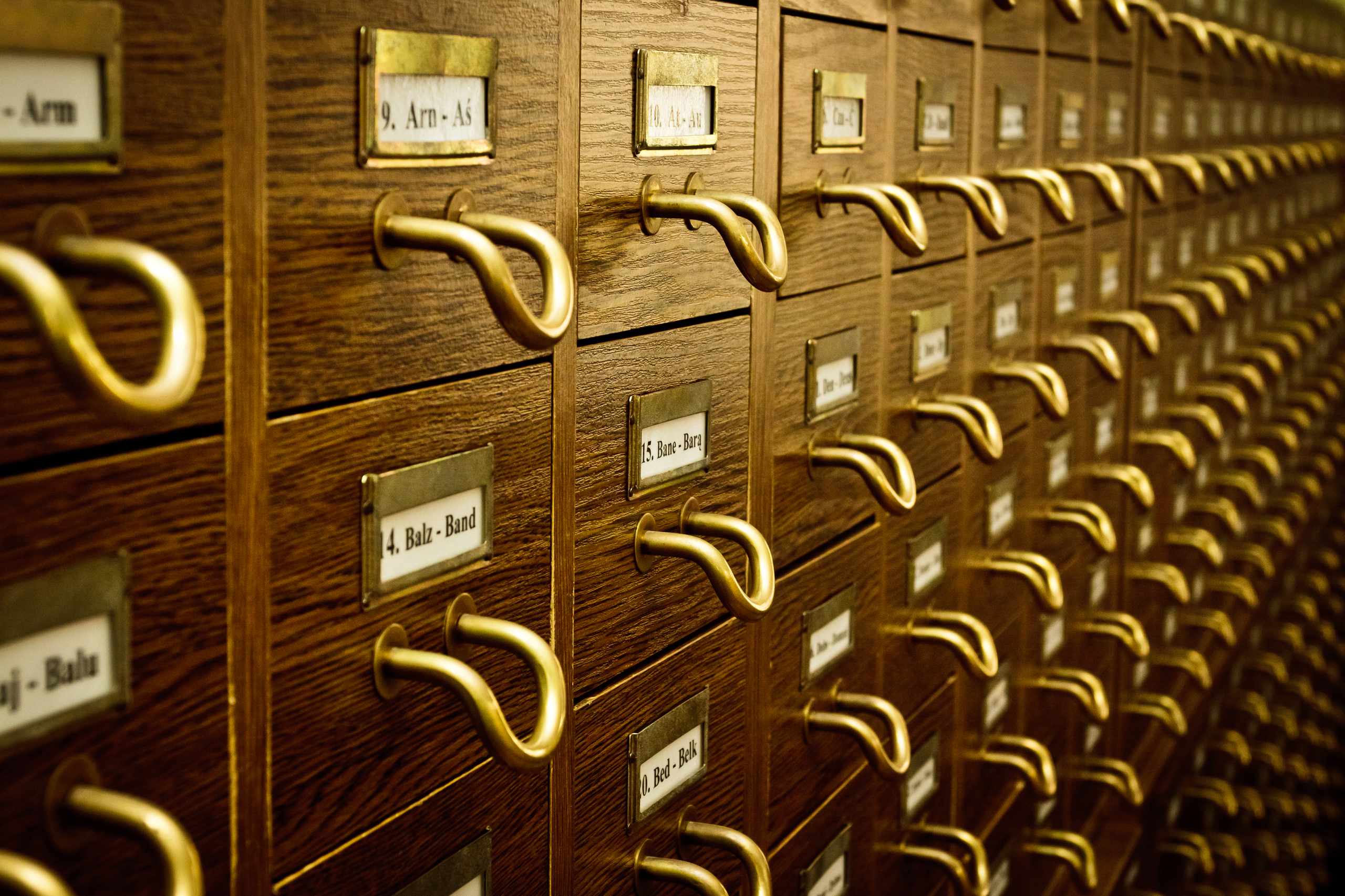
FINDING AID

RESEARCH LOG
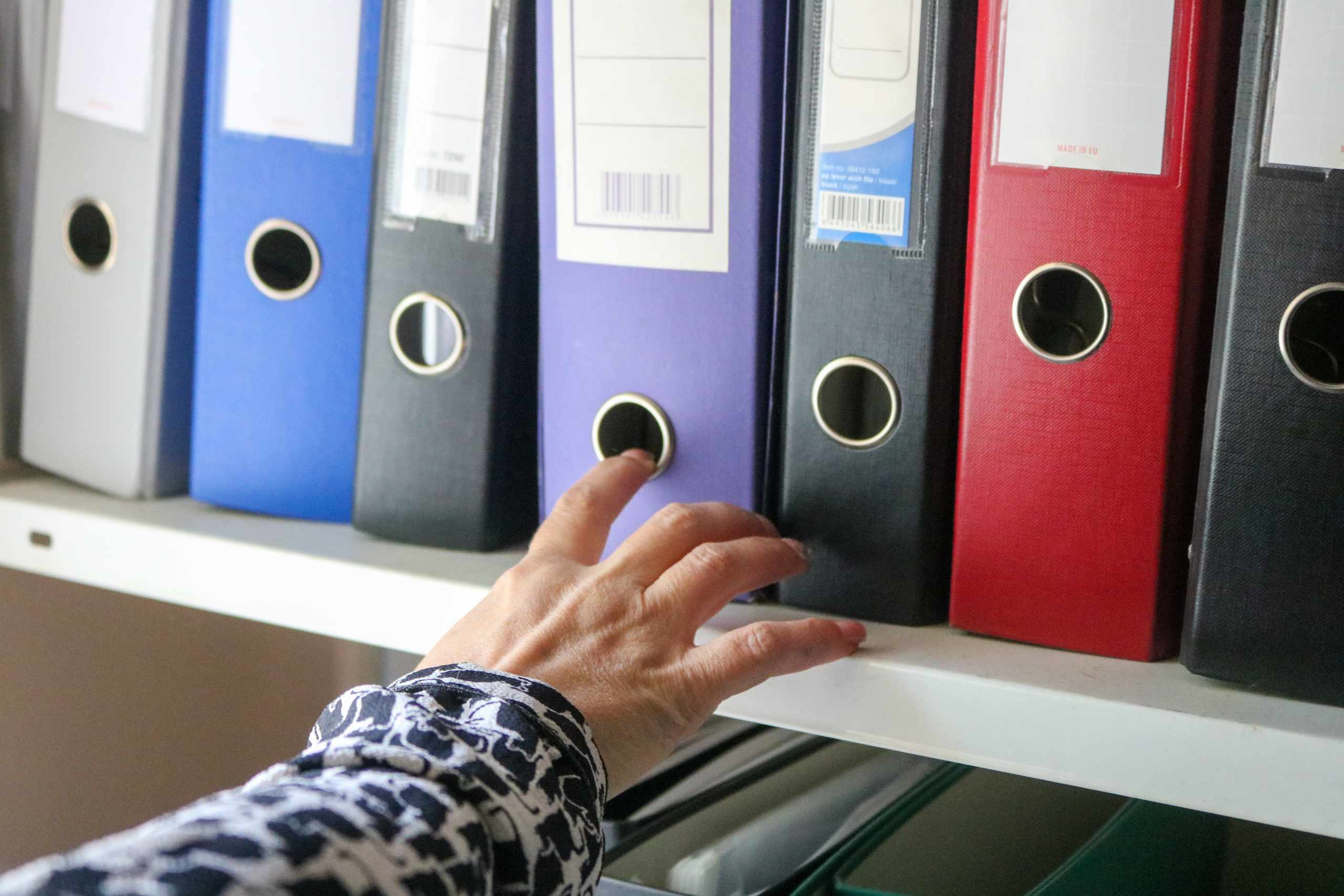
CITATION TEMPLATE